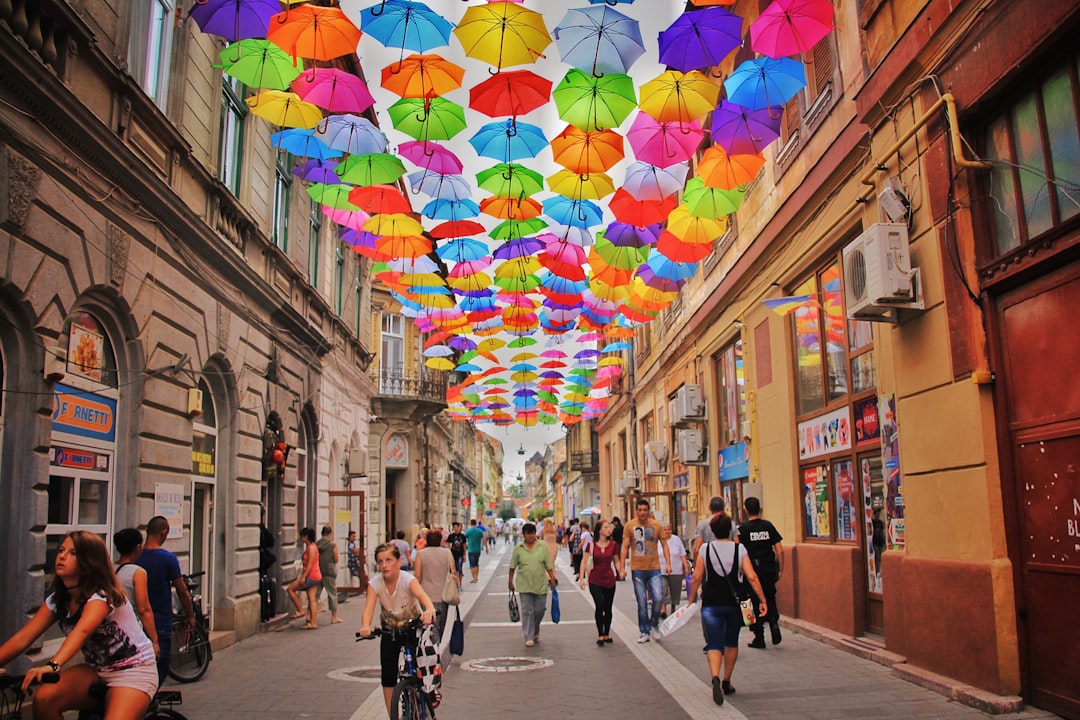
Cultural disconnection can deeply affect communities, rendering individuals vulnerable and disoriented in their identity. This phenomenon is particularly poignant within Urdu-speaking communities, which are often situated between multiple cultures and languages. By exploring the narratives of indigenous communities, we can gain valuable insights into the implications of cultural disconnection and its effects on mental health, youth issues, and societal impact.
The Concept of Cultural Disconnection
Cultural disconnection refers to the phenomenon where individuals or communities lose touch with their cultural roots, often leading to feelings of isolation, anxiety, and depression. This loss can occur due to migration, colonization, globalization, or simply societal changes. The plight of indigenous communities offers critical lessons on the importance of cultural preservation and identity.
Understanding Indigenous Experiences
Indigenous communities around the globe have faced systemic suppression and disconnection from their cultures. For instance, many Native American tribes in the United States have seen their languages decline and their traditional practices overshadowed by dominant cultures. These histories resonate with the experiences of Urdu-speaking communities who find themselves navigating new cultural landscapes.
Effects on Community Identity
A critical aspect of cultural disconnection is the erosion of community identity. When people lose their cultural narratives, it affects their sense of belonging and self-worth. For youth issues, particularly, this loss manifests in identity crises, increased susceptibility to mental health issues, and a disconnect from family traditions. The lessons learned from indigenous narratives reveal that cultural retention is vital for community well-being.
Lessons from Indigenous Communities
The resilience shown by indigenous communities in restoring their cultural identities offers powerful examples for Urdu-speaking communities dealing with cultural disconnection. Through their stories, we can extract lessons that can guide efforts to maintain cultural continuity.
Cultural Revitalization Initiatives
Many indigenous groups have embarked on cultural revitalization initiatives aimed at reclaiming and strengthening their cultural practices. These programs often focus on language preservation, traditional arts, and community engagement. For example, language immersion programs have helped many indigenous youth regain fluency in their native languages, thereby reinforcing their cultural ties. The success stories stemming from these initiatives can inspire similar efforts within Urdu-speaking communities.
Community-based Mental Health Approaches
Indigenous communities have also developed unique mental health frameworks that incorporate traditional healing practices alongside modern psychology. These approaches often emphasize community support, storytelling, and cultural practices as methods of coping with trauma. Such models are useful in addressing the mental health challenges faced by Urdu-speaking youth, who may be grappling with the pressures of maintaining dual identities.
The Role of Storytelling
Storytelling serves as a powerful medium for expressing cultural narratives and preserving histories. Indigenous oral traditions have provided avenues for passing down wisdom and instilling a sense of identity and purpose. In a similar vein, Urdu-speaking communities can leverage storytelling through literature, poetry, and multimedia to reconnect with their cultural roots. For more insights on how storytelling can impact community healing, see our guide on Teaching Stories.
Impacts of Cultural Disconnection on Mental Health
The emotional consequences of cultural disconnection are significant. Studies consistently show that individuals who feel disconnected from their culture are more likely to experience depression, anxiety, and a host of other mental health issues. This is particularly alarming among youth, who may find their social support systems fragmented.
Intergenerational Trauma
One of the most prominent effects of cultural disconnection is intergenerational trauma, where the emotional pain of loss is passed down through generations. Indigenous communities frequently experience this phenomenon, as their histories of oppression and disconnection create cycles of trauma that affect subsequent generations. Urdu-speaking communities, experiencing similar cultural dislocation, may encounter challenges rooted in their ancestry, with parents and grandparents imparting feelings of loss, discontent, or confusion to their children.
Community Cohesion and Its Benefits
In contrast, communities that actively engage in revitalizing their cultural identities experience enhanced cohesion and mental health outcomes. Regular cultural gatherings, festivals, and educational programs can significantly improve emotional well-being and strengthen community ties. This underscores the importance of creating spaces where Urdu-speaking youth can connect, share, and celebrate their heritage.
Developing Supportive Networks
To combat the effects of cultural disconnection, building supportive networks is essential. These networks can take various forms, including community organizations, cultural institutions, and social media groups dedicated to fostering connection among Urdu-speaking communities. Initiatives that invite stories, such as community exchanges, allow individuals to share their experiences and feel more connected.
Challenges to Overcome
Despite the clear benefits of addressing cultural disconnection, numerous challenges exist. These barriers can hinder the efforts of Urdu-speaking communities seeking to address cultural dislocation.
Societal Ignorance and Stereotyping
Many individuals from indigenous communities or Urdu-speaking backgrounds face societal prejudice or misconceptions about their cultures. This can lead to a reluctance to express their cultural identities for fear of alienation or ridicule. Educational efforts aimed at increasing awareness and understanding of different cultures can help counteract these issues, making way for greater acceptance.
Resource Limitations
Access to resources for cultural revitalization can also be a barrier. Many communities lack funding or institutional support for initiatives aimed at preserving their cultural heritage. Securing grants, collaborating with local organizations, and leveraging media can significantly impact the success of these endeavors. For strategic insights, check our article on Hybrid Retail Strategies.
Integration of New Generations
As younger generations adapt to modernity, they often feel distanced from their heritage. Engaging youth in contemporary cultural expressions can help bridge this gap, ensuring that traditional practices evolve while retaining their core meanings. Lively initiatives using social platforms can foster a sense of community, urging the Urdu-speaking youth to immerse in their heritage creatively.
Moving Forward: Practical Strategies for Cultural Reconnections
To mitigate cultural disconnection, personal and community-based strategies can be employed across various levels.
Education on Cultural Heritage
Educational programs that educate children about their cultural backgrounds can foster pride and understanding. Schools can incorporate Urdu-language classes, cultural history lessons, and community service that highlights local traditions. For recommendations on modern approaches, explore our insight on Micro-Adventures.
Workshops and Community Engagement
Organizing workshops focused on traditional arts, languages, and cultural practices can provide hands-on experience and strengthen community bonds. Creating events that celebrate culture—such as festivals, art exhibitions, or literary gatherings—invites individuals to immerse themselves in cultural expression.
Pro Tip: Utilize social media platforms to promote these events and share community stories.
Storytelling and Digital Media
The power of storytelling cannot be overstated. Utilizing digital platforms to share stories of cultural heritage maximizes reach and infuses new life into traditional practices. From podcasts to social media, the storytelling aspect creates community and inspires pride in cultural roots. To begin, find out more about Content Hubs that can help disseminate these stories.
Conclusion
Cultural disconnection poses significant challenges that affect individuals' identities and mental health. However, by learning from the experiences of indigenous communities and actively pursuing strategies for cultural reconnection, Urdu-speaking communities can forge paths toward healing and empowerment. The lessons learned highlight the importance of storytelling, community resilience, and cultural preservation for a harmonious future.
Frequently Asked Questions
1. What is cultural disconnection?
Cultural disconnection refers to the loss of connection to one's cultural roots, leading to feelings of isolation and identity crises.
2. How do indigenous communities cope with cultural disconnection?
Indigenous communities often engage in cultural revitalization initiatives and community storytelling to reconnect with their heritage.
3. What are the mental health impacts of cultural disconnection?
Individuals experiencing cultural disconnection have higher rates of anxiety and depression, particularly among youth.
4. Why is storytelling important for cultural identity?
Storytelling is vital as it passes down traditions and fosters a sense of community and identity.
5. How can communities encourage cultural pride?
Through education, cultural events, and digital storytelling, communities can foster pride in their cultural backgrounds.
Related Reading
- Teaching Stories: Crafting Meaningful Invitations - Strategies for engaging storytelling.
- Case Study: Scaling a Neighborhood Exchange - Insights into effective community initiatives.
- Hybrid Retail Strategies: A Playbook - How to develop sustainable community marketplaces.
- Micro-Adventures for Historical Engagement - Interactive cultural experiences.
- Evolution of Content Hubs in 2026 - The significance of digital storytelling.