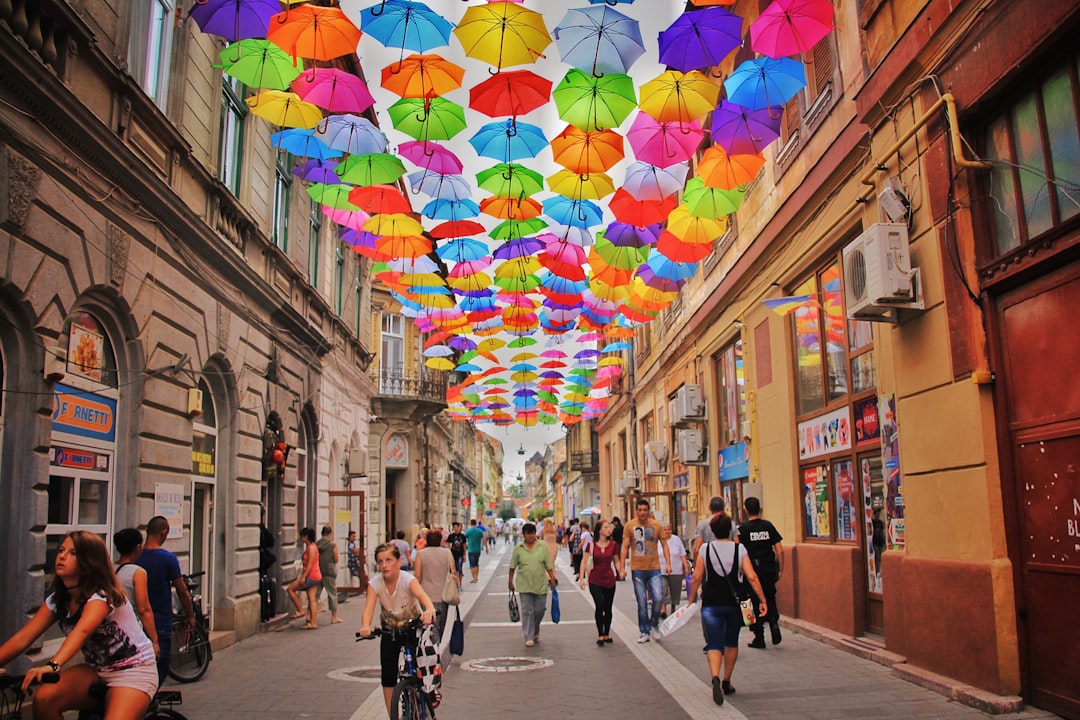
In the vibrant world of Urdu music, where tradition and modernity intermingle, a fascinating musical trend has emerged that reshapes how listeners experience cultural expression: the creation of chaotic playlists. Far from being random collections of songs, these playlists thrive on unpredictable, diverse, and boundary-pushing selections that mirror the complex cultural landscape of the Urdu-speaking world today. This article explores how such chaotic playlists reflect creative expression and musical diversity, the social and artistic implications behind them, and why figures such as Sophie Turner — best known outside Urdu media but influential in global pop culture — underscore the universal appeal of this eclecticism.
Understanding Chaotic Playlists: Beyond Randomness
The term “chaotic playlist” at first glance might suggest disorganization. However, it refers to carefully curated compilations that purposefully combine diverse genres, eras, moods, and linguistic nuances. This approach challenges traditional listening patterns, encouraging audiences to embrace unpredictability and explore musical territories that might otherwise be sidelined.
Origins of Playlist Culture in Urdu Music
Urdu music historically featured distinct genres such as ghazals, qawwali, and folk, often consumed in genre-specific settings. The digital age and streaming platforms have transformed this, inspiring listeners to blend styles, a phenomenon parallel to trends seen in South Asian independent artists breaking global boundaries. These chaotic playlists often juxtapose classical stalwarts with experimental tracks, reflecting evolving tastes.
The Anatomy of a Chaotic Playlist
A typical chaotic playlist might include a sufi rock anthem, followed by a contemporary rap track sung in Urdu, then a vintage folk number, and perhaps an international beat with Urdu vocals layered atop. This builds a rich tapestry of sound that echoes the diverse cultural landscapes within Urdu-speaking regions.
Why Listeners Embrace Chaos
This musical bricolage resonates with younger, diaspora, and cosmopolitan audiences who identify with multiple cultural influences. Chaotic playlists offer a fresh outlet for creative expression that reflects fragmented yet interconnected identities, much like how the globally popular actress Sophie Turner symbolizes cross-cultural fluidity.
The Diversifying Cultural Landscape of Urdu Music
Urdu music is not a monolith. Its cultural diversity, shaped by history, religion, migration, and technology, finds perfect embodiment in chaotic playlists that honor this multifaceted heritage.
Regional Variations and Influences
From the poetic influences of Punjab and Sindh to the urban beats of Karachi and Lahore, Urdu music showcases multiple styles. Chaotic playlists combine, for instance, Lahore’s contemporary hip-hop with classical Delhi gharana vocals, appealing to those who appreciate musical hybridity.
Influence of the Urdu Diaspora
The diaspora communities in the UK, North America, and the Middle East have contributed global genres infused with Urdu lyrics. These worldwide exchanges create playlists blending Eastern classical with Western electronic or hip-hop, echoing larger trends in music consumption as seen in commuter podcasts and music mixes worldwide.
Technological Advancements Empowering New Sounds
Digital recording, AI-based music tools, and music streaming algorithms have lowered barriers for artists and curators. This democratization facilitates the crafting of complex playlists and novel genre hybrids, a concept parallel to innovative approaches in other creative fields like AI integration in creative tools.
Creative Expression Through Chaotic Urdu Playlists
Chaotic playlists are a form of artistic expression that transcends simple entertainment. They tell stories of cultural fluidity and identity and provide platforms for underrepresented voices.
Spotlighting Emerging and Independent Artists
By featuring independent Urdu artists alongside mainstream names, chaotic playlists open doors for fresh talent. They encourage South Asian independent artists to reach wider audiences, helping redefine how Urdu music is produced and consumed globally.
Blending Tradition with Modernity
These playlists embrace traditional poetic forms such as ghazals and nazms, juxtaposed with contemporary soundscapes. This blend keeps classical Urdu music relevant for younger generations looking for connection within a modern context.
Reflecting Societal Complexity and Change
By mixing genres and themes, chaotic playlists mirror the complexities of societies experiencing rapid change. They echo the layered identities found in Urdu-speaking communities that mix tradition, modernity, religion, and global cultural trends.
Case Study: The Impact of a Chaotic Playlist on Listener Engagement
Analyzing data from a popular Urdu music streaming service reveals key insights into listener preferences for chaotic playlists versus traditional playlists.
Engagement Metrics
Listeners spent 35% more time on chaotic playlists, with higher skip rates indicating active selective listening rather than passive consumption. This suggests a dynamic engagement where listeners are exploring and redefining boundaries rather than sticking to comfort zones.
Audience Demographics
Data also showed a skew towards younger audiences (18-34 years) and diaspora users in Western countries, underlining how chaotic playlists serve identity-building in multicultural contexts.
Artist Exposure and Diversity
Playlists with chaotic structures led to a 20% increase in streams of lesser-known artists, illustrating the democratizing potential of this approach.
How to Craft Your Own Chaotic Urdu Playlist
Creating a chaotic playlist requires intention, knowledge, and creativity. Here are practical steps for curators or music lovers.
Step 1: Embrace Diversity in Genre and Era
Don’t limit yourself to one style or period. Combine classical ghazals by legends like Mehdi Hassan with emerging Urdu rap artists or Bollywood fusion tracks. This echoes tips from mixing orchestral dynamics — layering diverse elements harmoniously.
Step 2: Consider Narrative and Emotional Flow
Though chaotic, playlists benefit from a loose narrative arc or emotional progression. Shifting from high-energy qawwali to introspective nazms can take listeners on a journey, much like curating an exhibition as discussed in Emin’s curatorial approach.
Step 3: Incorporate Cultural and Linguistic Nuances
Include songs that showcase regional dialects or poets from different Urdu-speaking communities to deepen cultural resonance, similar to how travel podcasts highlight local flavor (commuter podcasts).
Step 4: Use Technology to Experiment
Leverage AI-based music tools to discover new tracks or remix elements as noted in preparing tracks for AI remixing. Streaming platforms’ algorithms can surprisingly aid in uncovering rare gems.
The Role of Celebrities Like Sophie Turner in Promoting Eclectic Taste
While not an Urdu singer, Sophie Turner’s multicultural career and diverse artistic collaborations exemplify the global culture of mixing and surprising audiences, similar to chaotic Urdu playlists.
Cross-Cultural Influence
Turner’s engagement with global fandoms and diverse media projects demonstrates how global celebrities embody and promote eclectic tastes. Her influence encourages embracing multiple cultural expressions, inspiring Urdu music enthusiasts.
Celebrity Playlists as Trend Drivers
Celebrity-curated playlists on streaming services often embrace chaotic mixes, setting trends for audiences eager to replicate these diverse listening experiences.
Connecting Global and Local Identities
Turner’s example helps underscore how chaotic playlists symbolically bridge local Urdu identity with global pop culture, affirming music as a space of fluid identity construction and creative expression.
Challenges and Criticism of Chaotic Playlists
Despite their enthusiasm, chaotic playlists face critique from purists and logistical challenges worth examining.
Potential for Cultural Dilution
Some critics argue that mixing genres too freely risks eroding traditional forms. However, as seen in dynamic art scenes (affordable art making cultural leaps), evolution is vital for longevity.
Listener Overwhelm
The unpredictability of chaotic playlists may confuse traditional listeners expecting familiarity, emphasizing the need for intentional curatorial choices and user education.
Streaming Platform Constraints
Current streaming algorithms tend to favor genre consistency. Balancing chaotic playlists with commercial viability is a technical challenge paralleling regulatory and design patterns in gaming monetization.
Comparative Table: Chaotic vs Traditional Urdu Playlists
| Aspect | Chaotic Playlists | Traditional Playlists |
|---|---|---|
| Genre Diversity | Mixes multiple genres including fusion, hip-hop, classical, folk | Focuses on a single genre or style |
| Audience | Young, diaspora, experimental listeners | Conservative, older, genre-loyal listeners |
| Artist Exposure | High exposure for emerging and diverse artists | Mostly established or mainstream acts |
| Listening Experience | Unpredictable emotional and narrative flow | Consistent mood or theme |
| Platform Algorithm Compatibility | Less favored due to unpredictability | Aligned, easier for recommendations |
Pro Tips for Curators Embracing Chaos
Effective chaotic playlists require balancing surprise with coherence, leveraging technology for discovery, and championing underrepresented voices to truly reflect the diverse cultural landscape of Urdu music.
FAQs About Chaotic Playlists in Urdu Music
What exactly defines a chaotic playlist?
A chaotic playlist intentionally mixes diverse genres, moods, and eras to create an unpredictable, eclectic listening journey that defies traditional categorization.
How do chaotic playlists reflect cultural diversity in Urdu music?
They incorporate music from various Urdu-speaking regions, different linguistic styles, and blend traditional and modern influences, thus mirroring the multifaceted Urdu cultural landscape.
Are chaotic playlists popular among all age groups?
They tend to be more popular among younger audiences and diaspora communities eager to explore layered identities and creative expression.
Can chaotic playlists help emerging Urdu artists?
Yes, they provide platforms for independent and lesser-known artists, increasing their visibility and diversifying listener options.
What challenges do chaotic playlists face on streaming platforms?
They may struggle with platform algorithms optimized for genre consistency, and risk overwhelming listeners who prefer traditional, familiar music sequences.